The Federal Reserve raised its benchmark interest rate on September 16, 2026, lifting the target range to 3.75-4.00% in the first hike since 2023. The decision, delivered under Chair Kevin Warsh, who took the helm when Jerome Powell's term expired in May, marked a decisive end to the easing cycle.
"Inflation is too high, and has been for too long," Warsh said as the decision landed, framing the move as a response to price pressures that have proven more stubborn than forecasters expected through the summer.
What Is Driving Inflation
August consumer price data showed annual inflation around 3.4%, well above the central bank's 2% goal. Three forces dominate the overshoot: energy costs amplified by the war in Iran, which began with US and Israeli strikes on February 28, tariffs that have raised goods prices, and an AI investment boom straining housing, labor and industrial capacity in data-center-heavy regions.
Fed officials have described the composition as awkward for policy. Energy and tariff effects can fade, but an economy running hot on capital investment is harder to cool without weighing on growth.
Bond Markets Run Ahead of the Fed
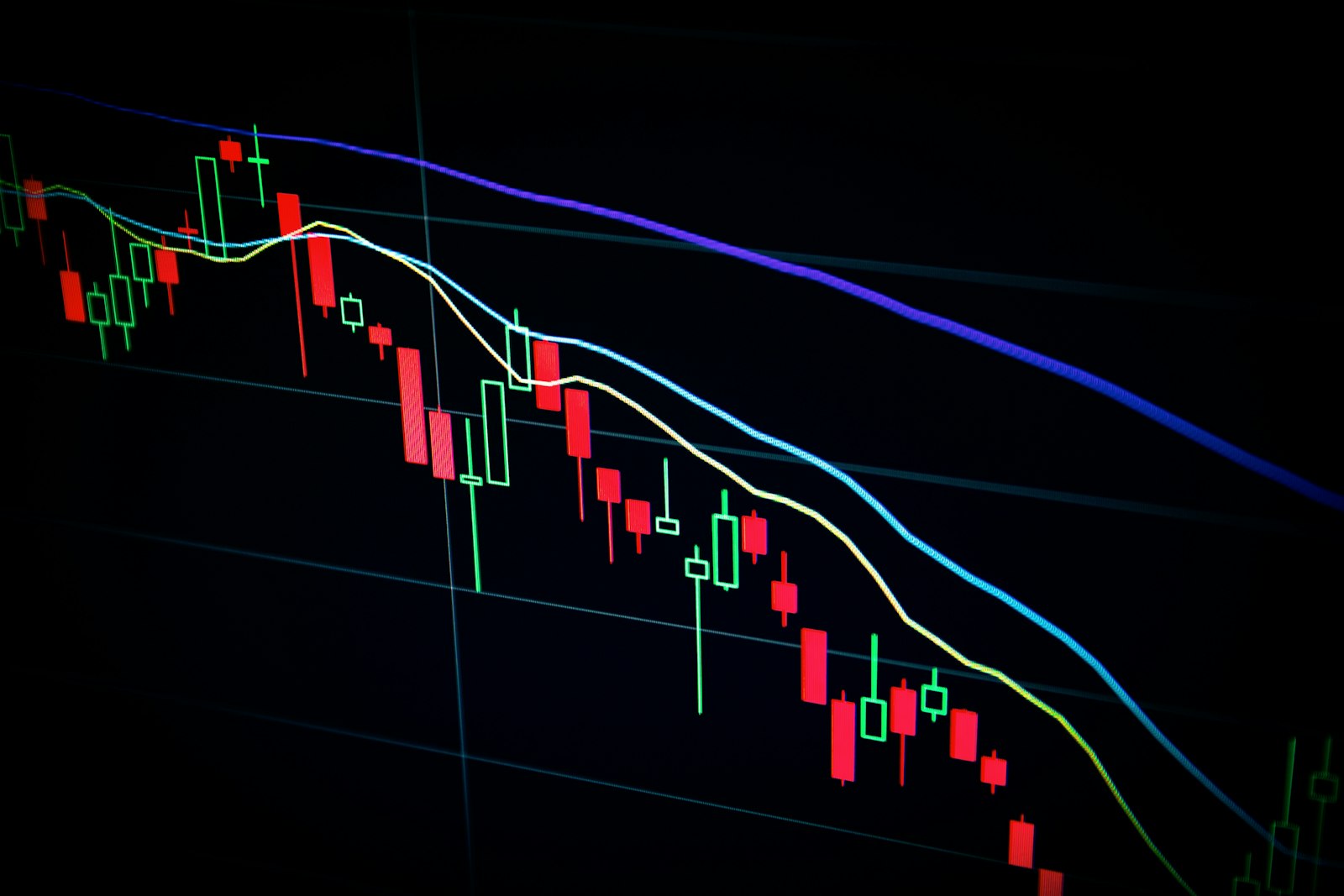
The 10-year Treasury yield has climbed past 5% as investors priced in more tightening. Real GDP growth is running around 2.3%, and the Fed's own September projections put core PCE inflation near 3.7% by year end; a level that keeps the hawks on the committee restless.
President Trump, who nominated Warsh for the chairmanship on January 30 after pledging to replace Powell, has since publicly pressed the central bank for cuts. Officials have largely brushed the pressure aside in favor of data dependence.
The message from September is simple: the era of cuts is over, and every data release from here matters more than usual.