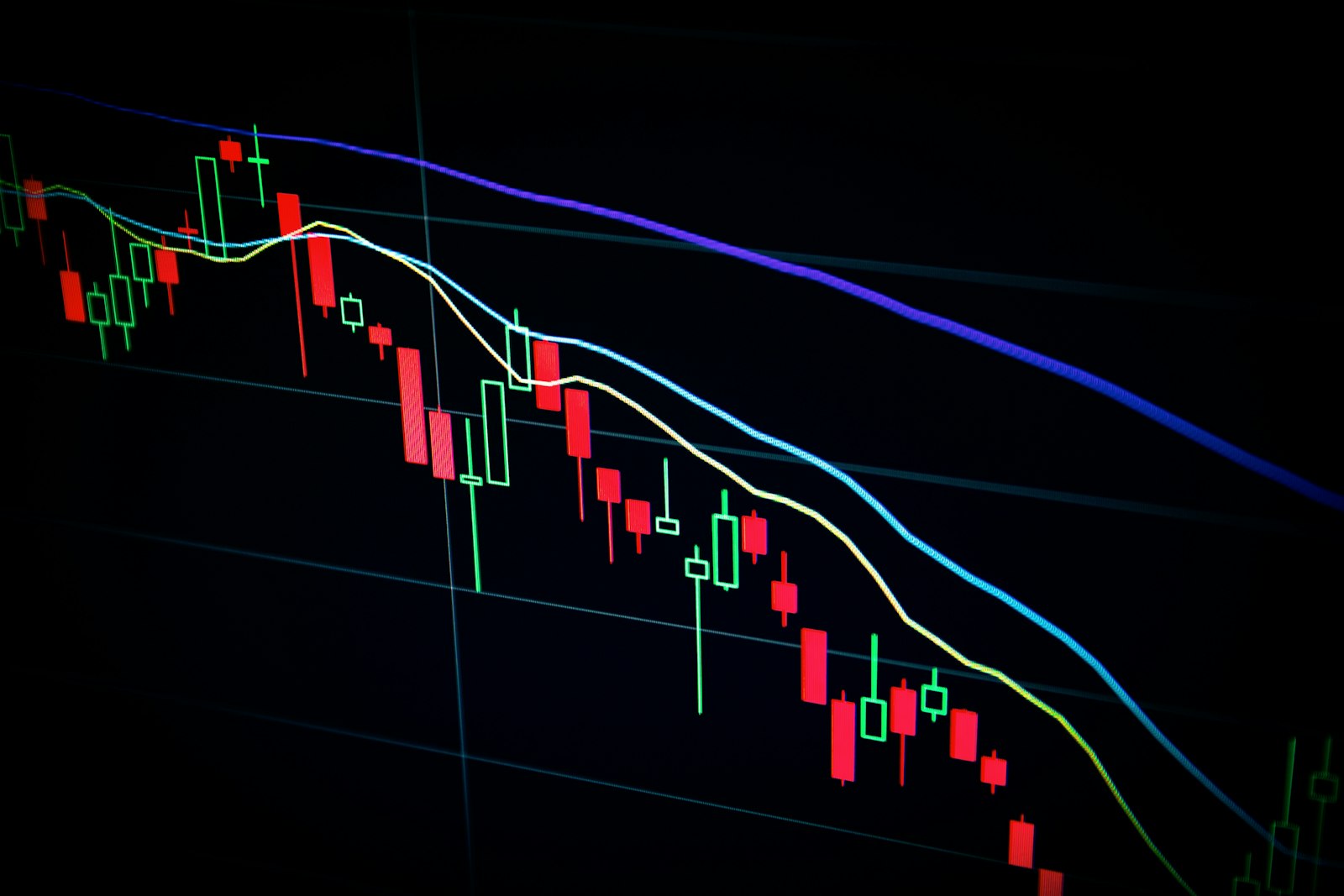

The Strait of Hormuz, the narrow waterway off Iran's coast through which a fifth of the world's seaborne oil flows, has effectively closed to normal traffic since the war began on February 28, forcing tankers onto longer routes and pushing energy prices sharply higher.
Marine insurers have withdrawn or repriced coverage for Gulf transits, and several major shipping lines have suspended Hormuz routes entirely. Crude benchmarks have swung on every headline from Tehran, and gasoline futures have followed at the pump.
Who Pays
The inflation consequences are direct. Central banks that spent 2025 arguing that goods inflation was fading now face an energy shock layered on top of existing tariff pressure, a combination that complicates every rate decision scheduled for the rest of the year.
Gulf producers have increased output through other terminals where capacity allows, but the physical bottleneck is real: there is no fast substitute for the Strait. Analysts at major banks now model elevated oil risk premiums well into the second half of 2026.
For shipping crews and insurers, the calculus has changed overnight; the war turned a routine transit into one of the most watched shipping lanes on earth.