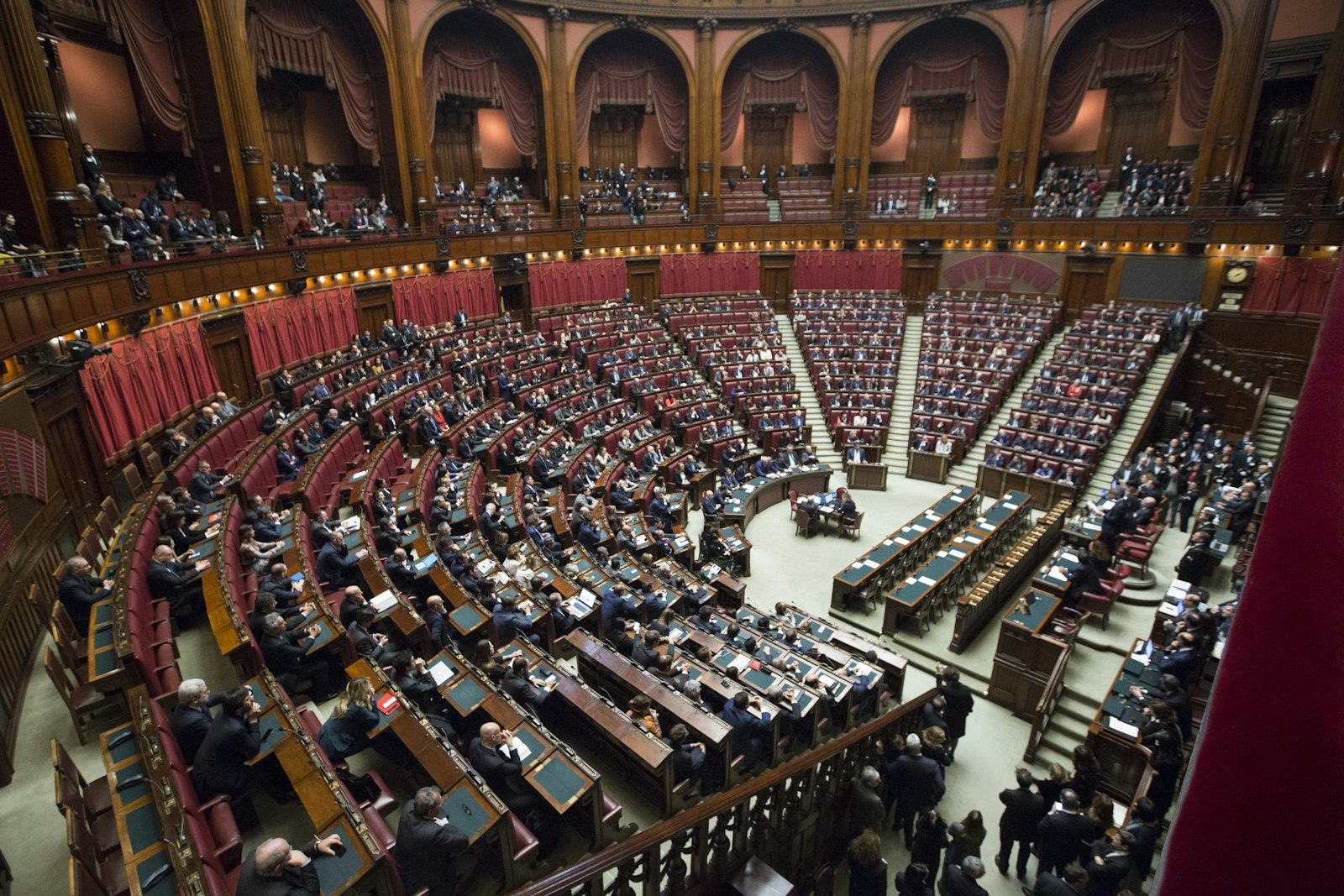
The Fox News Election Decision Desk issued a forecast on October 14 that the House of Representatives will flip to Democratic control in the November 3 midterms, a projection that has reshaped how both parties are allocating money and ground-game resources in the final stretch.
Roughly 9.5 million Americans have already cast ballots, according to cumulative early-voting tallies tracked across states with in-person and mail voting. Turnout machines in Georgia, Arizona and North Carolina are again running hot, and both parties are treating banked votes as the central strategic fact of the campaign.
The Senate Remains a True Toss-Up
While the House projection has tilted blue, the Senate map is closer to a coin flip. Republicans hold narrow margins in several races where Democratic challengers have closed late, and Senate Leadership Fund advertising has flooded airwaves in the final weeks.
President Trump has taken the fight directly to the trail, holding a rally in Kansas on October 18 focused on border policy and inflation. Iran war votes in campaign ads now feature heavily in competitive districts, with both parties testing messages on escalation and energy prices.
The $5,000 Check Promise Meets Skepticism
A campaign-trail promise of $5,000 "doge dividend" checks, framed as a rebate from federal efficiency savings, has drawn skepticism from budget analysts across the political spectrum. Analysts note the payments would require either deficit spending or cuts to popular programs, and Congress has not taken up any enabling legislation.
Economists polled ahead of the midterms also flag the government shutdown as a wildcard: furloughed federal workers in the D.C. suburbs and service workers around military bases are a swing electorate in several of the districts that will decide the House.
What to Watch on Election Night
Suburban districts across the Sun Belt, the Michigan Senate race, and turnout among voters under 30 are the three data points most likely to confirm or break the House flip forecast. Early-vote returns give campaigns a real-time read, but analysts caution that mail ballots skew older and early in-person ballots skew more partisan, so day-of composition still decides most competitive seats.