
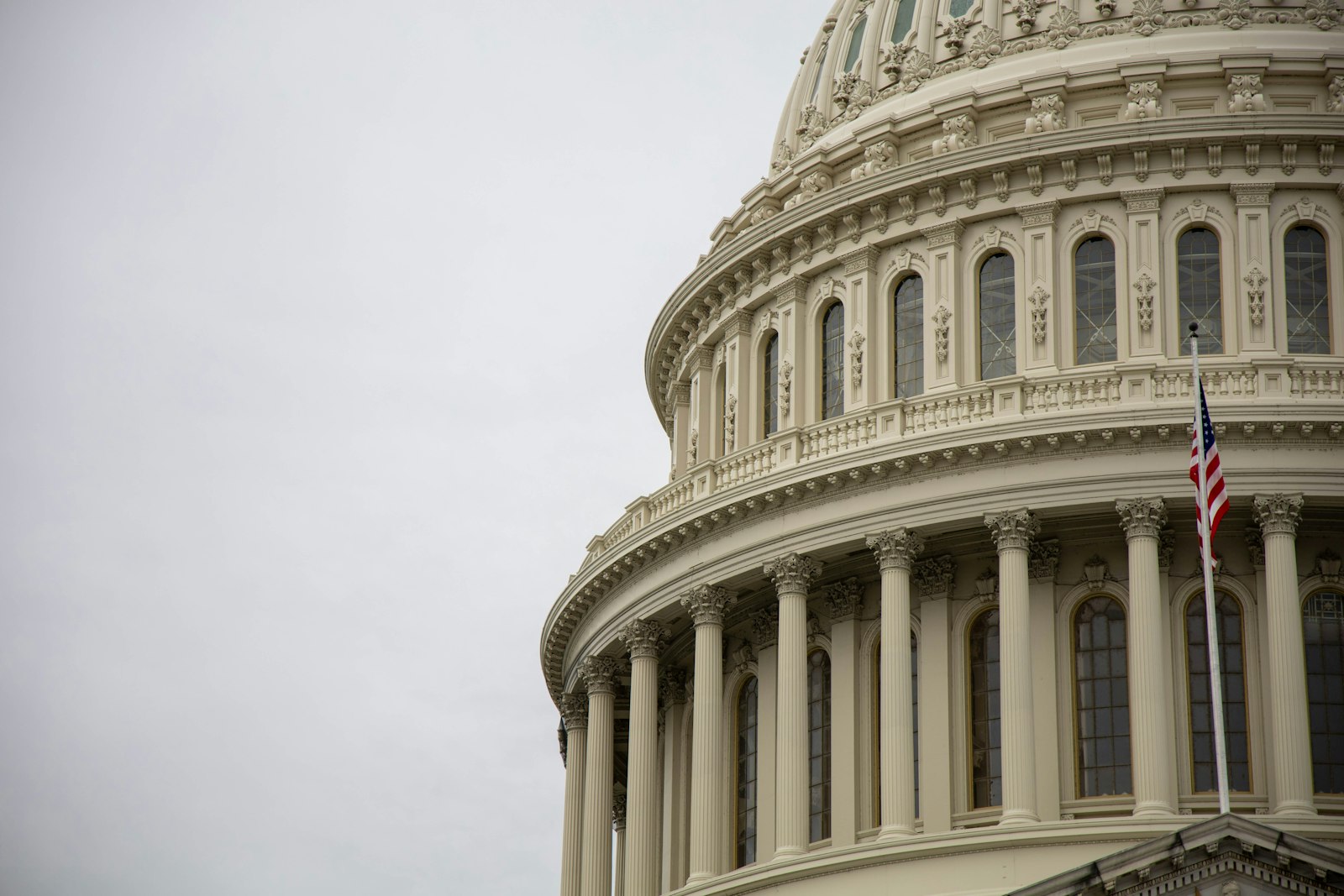
The federal government shutdown that began October 1 is now stretching into its second week, and one of its quietest costs is the disappearance of the statistics the Federal Reserve, Congress and Wall Street use to steer the economy.
Routine releases from the Bureau of Labor Statistics and Bureau of Economic Analysis have been delayed or cancelled, including updates on consumer prices, payrolls and retail sales that would normally land before the Fed's next meeting on October 27-29.
The Fed's Information Problem
Fed Governor Christopher Waller said this month that the shutdown's information loss is a material factor for policy, because officials cannot verify whether inflation and labor-market trends are intensifying or fading in real time. The Fed's Beige Book survey of business conditions was published with explicit caveats about reduced federal input.
Private-sector substitutes, including payroll trackers and credit-card spending panels, have partially filled the gap, but economists warn those series cannot fully replace official data on wage growth and consumer prices, the two inputs most tied to the rate path.
Markets Lean on Private Data
Bond and equity investors have leaned harder into private gauges since the shutdown began, a dynamic that has widened swings on days when any partial data does emerge. The September CPI report, released before the shutdown, showed inflation around 3.4%; the October report's schedule remains uncertain.
The Political Layer
The shutdown also hangs over the midterms. Hundreds of thousands of federal employees are working unpaid or on furlough, and the economic drag is concentrated in regions with high concentrations of government workers; swing areas in Virginia, Maryland, Colorado and Georgia among them.
Neither party has signaled an imminent deal. Until funding is restored, the shutdown will keep distorting both the data and the politics that will decide the next Congress.